Article
Why Coffee Prices Rise & Fall: 10 Factors Driving the Market
Coffee prices move when supply risk increases (bad weather, shipping disruptions), when costs rise (fuel, labor, fertilizer), or when money flows shift (currencies, futures traders). Often, multiple factors hit at once.
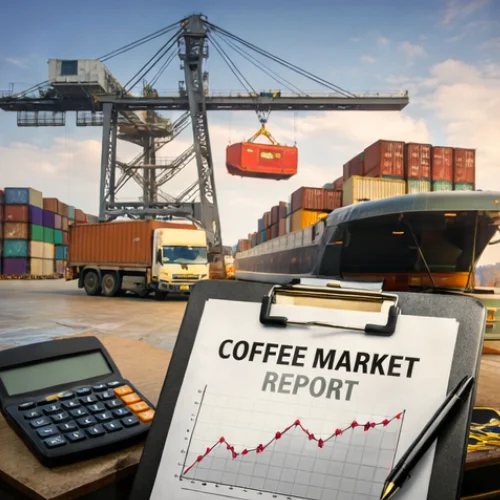
Coffee prices can feel unpredictable. One week your favorite beans cost one amount, the next month the price is higher—then suddenly a “discount” appears, but the bag is smaller. What’s going on?
The truth: coffee prices aren’t set by one thing. They’re shaped by weather, global supply chains, currency, farming costs, and even financial markets. If you want to understand what affects coffee prices, this guide breaks down the biggest forces behind the coffee market—without the boring economics lecture.
What affects coffee prices? 10 market drivers that matter
1) Weather shocks in coffee-growing countries
Coffee is extremely sensitive to climate. A drought, heatwave, or heavy rain at the wrong moment can reduce yield and quality.
Biggest market mover:
- Frost in Brazil (even the risk of frost can trigger price spikes)
Why it impacts prices: Coffee is seasonal and forecasts move markets fast. If traders believe supply will drop, prices often rise before the harvest is even finished.
2) Brazil and Vietnam: two origins that can move the world
Global coffee supply is concentrated. When Brazil (arabica) or Vietnam (robusta) has issues, the whole market reacts.
- Brazil strongly influences arabica prices
- Vietnam strongly influences robusta prices
Even a small change in output can matter because global demand is massive and steady.
3) Arabica vs. robusta: roasters adjust blends when prices change
When arabica becomes expensive, some roasters increase robusta in blends (where style allows). When robusta spikes too, everyone feels it—especially for espresso blends and instant coffee.
What you might notice: flavor profiles shift subtly, and brands may talk more about “new blend” or “improved recipe.”
4) Shipping and logistics: the “invisible” cost inside your bag
Coffee travels far: farm → mill → exporter → port → ship → importer → roaster → retailer. Any disruption can raise costs.
Common price drivers:
- container and freight rates
- port congestion and delays
- insurance and route risks
- warehousing and storage costs
Even when green coffee prices stabilize, logistics can keep retail prices elevated.
5) Currency exchange rates: coffee is priced in US dollars
Here’s a sneaky one. Most global coffee is traded in USD, so exchange rates matter a lot.
- If the USD strengthens, coffee often costs more for buyers paying in euros
- Producer currencies also affect export incentives
This is one reason coffee can get pricier locally even when headlines say “coffee prices are flat.”
6) Farm inputs: fertilizer, fuel, and financing
Growing coffee costs money—and those costs can surge.
Key inputs:
- fertilizer
- diesel and electricity
- equipment + maintenance
- credit/loans to run farms
If farmers can’t cover costs, they reduce investment (which can hurt future harvests), switch crops, or exit coffee farming entirely.
7) Labor shortages and wages during harvest
Coffee is labor-intensive. Harvesting, sorting, and processing require people and time. When labor becomes scarce or wages rise, production costs climb—and supply can be delayed.
Impact: higher costs now, and sometimes lower quality if picking is rushed.
8) Futures markets: where prices react to expectations
Coffee prices are strongly influenced by futures exchanges. Roasters use futures to hedge, but speculators also trade based on forecasts and headlines.
Prices can jump because of:
- weather rumors
- fund buying/selling
- reports about stock levels
- macro events (inflation, interest rates)
This is why coffee can spike even before real supply changes are confirmed.
9) Inventory levels: the market’s pressure gauge
When monitored inventories are low, the market is fragile. Any disruption feels bigger.
- High inventories = buffer against shocks
- Low inventories = more volatility, faster price moves
10) Quality scarcity: “there’s coffee” isn’t the same as “there’s good coffee”
A harvest can be large but lower quality due to heat, pests, or rain damage. Specialty buyers compete for the best lots, pushing premiums higher.
What this means for you: specialty prices can rise even when commodity prices don’t.
Why café prices rise even when bean prices don’t
A café isn’t just coffee. It’s:
- rent and utilities
- wages
- milk and food costs
- equipment maintenance
- taxes + payment fees
So you may see cafés raise prices gradually even if green coffee prices are stable—because their cost base keeps changing.
FAQs
Why are coffee prices so volatile?
Coffee is climate-sensitive, globally traded, and priced in USD. Weather shocks + logistics + currency moves can hit at the same time, creating sharp swings.
Will coffee prices go down?
They can, especially if forecasts improve, harvests recover, shipping normalizes, or currencies shift. But long-term climate risk and rising farm costs can keep upward pressure over time.
What’s the biggest driver of coffee prices?
Weather in major producers (especially Brazil for arabica) is one of the fastest and strongest price movers.
Conclusion: coffee prices are shaped by nature + money + movement
Your coffee price is the final number at the end of a global chain—where climate, shipping, currency, and market expectations all collide. Once you know the drivers, price changes stop feeling random…and start looking like signals.