Article
Arabica vs Robusta: What’s the Real Difference in Coffee Beans?
Arabica and Robusta are the two main coffee bean species, and each brings something different to your cup. This article explains how they differ in flavor, caffeine, crema, acidity, and brewing performance—especially for espresso. You’ll also learn why many espresso blends combine both beans to achieve better balance, body, and consistency across different machines.
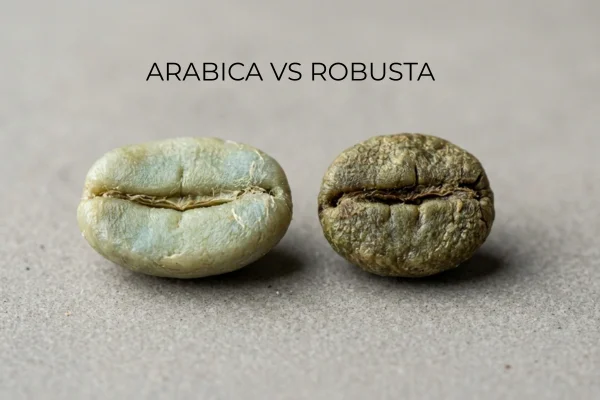
Coffee drinkers often hear about Arabica and Robusta beans, but the real difference goes beyond taste. These two coffee species vary in growing conditions, caffeine content, crema performance, and extraction behavior — all of which change how your espresso or daily brew turns out.
If you are comparing intensity levels or evaluating blend composition, you can explore our full range of BATSAM coffee beans here: https://batsam.lu/en/our-catalog/all-products/coffee-beans
Across this collection, Arabica and Robusta are carefully balanced to optimize crema density, body, and extraction stability.
Let’s break down what separates these two beans — and why the best results often come from blending them correctly.
Bean Origin and Growing Conditions
Arabica (Coffea Arabica) is usually grown at higher altitudes (often 600–2,000 meters). Cooler temperatures slow down cherry development, which helps sugars and aromatic compounds build more gradually. This often results in denser beans and a cup that feels smoother, sweeter, and more aromatic. Higher-altitude growth can also bring more day–night temperature variation, supporting complexity and a cleaner finish.
Arabica plants are more sensitive to pests, disease, and weather shifts, so quality often depends on careful farming and selective harvesting. That extra sensitivity can also mean higher costs and more variation between harvests — not because Arabica is “better,” but because it’s harder to grow consistently.
Robusta (Coffea Canephora) grows well at lower altitudes in warmer, more humid climates. The plant is more resilient, yields more, and is naturally more resistant to many pests. One key reason is caffeine: Robusta contains more caffeine, which helps protect the plant.
These growing differences influence bean chemistry and structure, which affects roasting and brewing. Density, moisture behavior, and solubility all matter when you grind and extract, especially for espresso where the margin for error is small.

Flavor Profile Differences
Arabica Characteristics
Arabica is typically:
Smooth
Aromatic
Slightly sweet
Balanced in acidity
Complex and layered
Flavor notes can include chocolate, caramel, nuts, fruit, or florals depending on origin and roast. In many cups, Arabica delivers the “top notes” — the aromas you smell first and the sweetness that lingers. Its acidity can be pleasant and bright when extraction is correct, but it can taste sharp or sour if under-extracted (a common issue in fast-running espresso shots).
Arabica’s appeal is often its nuance: more fragrance, more perceived sweetness, and a cleaner finish. If you enjoy espresso that feels refined rather than heavy, Arabica-forward coffees often match that preference.
Robusta Characteristics
Robusta generally delivers:
Stronger bitterness
Earthier tones
Heavier body
Lower perceived acidity
Higher caffeine impact
Robusta can taste more direct and intense, often leaning toward darker cocoa, toast, and earthy notes. When roasted and used well, it adds weight and persistence rather than “roughness.” In espresso, that means more structure and a stronger base note that keeps the cup from feeling thin — especially in milk drinks where you want the coffee to stay present.
Crema, Body and Caffeine Structure
The most visible difference shows up in espresso.
Robusta contains significantly more caffeine than Arabica, and it often brings compounds that support texture and crema stability. In practice, this contributes to:
Thicker crema formation
Stronger mouthfeel
Greater extraction stability
More persistent intensity
Crema isn’t just visual; it influences texture and carries aroma. Robusta tends to strengthen the “frame” of an espresso: denser mouthfeel, more crema persistence, and a bolder impression even at the same dose. That’s why a small percentage of Robusta can noticeably change how a shot looks and feels.
Arabica typically contributes aromatic complexity and smoother balance. In blends, it often lifts sweetness and fragrance, helping prevent espresso from becoming overly heavy or aggressively bitter.
If crema performance and structured espresso matter to you, reviewing different roast profiles within our coffee beans collection can help you identify the blend ratio that suits your machine and taste preference.

Why Arabica–Robusta Blends Matter for Espresso
Many people assume 100% Arabica automatically equals higher quality. For espresso, performance is often about balance, not purity.
A pure Arabica espresso can be beautifully aromatic, but it may sometimes produce lighter body or less stable crema depending on the bean, roast, freshness, grinder, and machine. That’s not “wrong” — some people prefer a cleaner, lighter structure — but if you want classic espresso texture and reliability, a calibrated blend can be more consistent.
A blend allows roasters to:
Control crema consistency
Stabilize extraction
Balance acidity
Enhance body
Maintain reliability across machines
This matters because espresso is a high-pressure, short-contact-time method. Small changes in grind or flow can swing flavor from sour to bitter quickly. A well-built espresso blend is often more forgiving across home setups, offices, and automatic machines.
For example:
If you prefer bold espresso with thick crema and higher intensity,
BATSAM Forza Coffee Beans are structured for strength and crema density:
https://batsam.lu/en/our-catalog/all-products/coffee-beans/batsam-forza-coffee-beans
If you prefer balanced daily espresso for automatic systems, BATSAM
Classico Coffee Beans provide smoother integration between aroma and body:
https://batsam.lu/en/our-catalog/all-products/coffee-beans/batsam-classico-coffee-beans
Blending is not dilution — it’s design. Done correctly, it creates an espresso that is both flavorful and repeatable.
Low Acidity vs High Intensity
Some drinkers search for low-acidity espresso. Others prioritize intensity and caffeine structure.
Arabica often presents brighter acidity, which can taste sour in espresso if extraction is too fast or uneven. Under-extraction (too coarse, too cold, too short) can make acidity dominate while sweetness and body don’t fully develop.
Robusta tends to reduce perceived acidity while increasing bitterness and body. It doesn’t “remove” acidity, but it shifts the balance so the cup reads as less sharp and more grounded — especially useful for traditional espresso profiles and milk-based drinks.
Choosing the right ratio helps prevent:
Sour shots
Thin crema
Excess bitterness
Inconsistent extraction
If you prefer a smoother espresso experience with moderate intensity and controlled acidity,
BATSAM Leggero Coffee Beans are designed for softer extraction and a more refined cup structure: https://batsam.lu/en/our-catalog/all-products/coffee-beans/batsam-leggero-coffee-beans
This profile is particularly suitable for those who find traditional espresso too sharp or overly bitter.
Extraction Stability Across Brewing Methods
Brewing method changes what you’ll notice most.
Espresso Machines
Blends with controlled Robusta can improve crema density and shot stability. If your setup sometimes runs fast or varies between shots, a structured blend can help keep body and crema more consistent, making dialing in easier.
Automatic Coffee Machines
Balanced profiles help reduce harshness over repeated cycles. Automatic systems have fixed constraints, so a blend built for stability can taste smoother and more reliable from cup to cup.
Moka Pot
Robusta-supported blends often feel richer and “stronger,” which many moka drinkers enjoy. Because moka tends to emphasize intensity, a blend with built-in body can taste fuller and more satisfying.
Filter Brewing
Arabica-forward coffees typically highlight clarity and aromatic complexity. Filter methods reveal sweetness and origin character more easily, so higher Arabica content often shines here, especially at medium roasts.
Selecting the right structure improves reliability regardless of equipment.
Is Arabica Always Better Than Robusta?
Not necessarily.
Arabica is often viewed as premium because it’s harder to grow and can be more aromatic. But Robusta offers technical advantages that are valuable for espresso: crema support, body, and a strong base.
Quality is determined by:
Blend ratio
Roast precision
Freshness
Extraction behavior
Quality control
A well-designed Arabica–Robusta blend can outperform a poorly roasted or stale 100% Arabica. “Better” is about how the coffee is built and how it performs in your cup.
How Roasting Influences Both Beans
Roasting shapes how both species taste and extract.
Light roasts emphasize:
Acidity
Origin character
Aromatic brightness
In espresso, very light roasts can highlight acidity sharply if not extracted well. Arabica often shows its most distinct aromatics at lighter levels, while Robusta is more commonly used in medium or darker roasts to keep intensity controlled and bitterness integrated.
Medium to dark roasts enhance:
Body
Crema consistency
Bitterness integration
Medium roasts often provide the best balance for daily espresso: sweetness, body, and stability. Darker roasts reduce perceived acidity and bring deeper notes like cocoa and toast, often aligning with classic espresso expectations — especially when you want strong presence in milk drinks.
Roast calibration is what makes the blend components complement each other instead of competing.
Which Coffee Beans Should You Choose?
Your best choice depends on what you value most.
Choose higher Arabica content if you prefer:
Smooth and aromatic flavor
Moderate body
Refined complexity
This is ideal if you enjoy fragrance, sweetness, and a cleaner finish — especially for straight espresso or filter-style brewing.
For those who prefer a lighter, more elegant profile with subtle bitterness and smoother finish,
BATSAM Delicato Coffee Beans offer a refined balance suitable for daily brewing and less aggressive espresso styles: https://batsam.lu/en/our-catalog/all-products/coffee-beans/batsam-delicato-coffee-beans
It is often chosen by customers who prioritize smoothness over strength.
Choose structured blends with controlled Robusta if you prefer:
Stronger espresso
Rich crema
Higher caffeine impact
Stable extraction
This suits drinkers who want bold espresso, persistent crema, and dependable results across different machines and user habits.

If you are comparing blend structures and roast intensities, you can review our full premium coffee beans range here: https://batsam.lu/en/our-catalog/all-products/coffee-beans
This allows you to compare profiles before selecting your preferred format.
Frequently Asked Questions
Is Robusta stronger than Arabica?
Yes. Robusta contains more caffeine and typically produces stronger bitterness and body. Even a modest amount in an espresso blend can increase perceived intensity and make the cup feel more structured.
Which beans produce more crema?
Robusta enhances crema formation and persistence, which is why many espresso blends use a controlled percentage to improve crema density and texture.
Are blended coffee beans better for espresso?
Often, yes. Balanced blends can provide better crema stability and extraction consistency than single-species coffees, especially across different machines and grinders.
Is 100% Arabica always higher quality?
Not necessarily. Quality depends on sourcing, roast precision, freshness, and overall balance — not just species. A well-built Arabica–Robusta blend can deliver better crema, mouthfeel, and daily consistency than a poorly executed 100% Arabica.