Article
Designer Fermentation in Coffee
Discover how designer fermentation is transforming specialty coffee in 2026. Learn how precision microbes shape brighter acidity, fruity aromatics, and consistently bold flavor profiles.
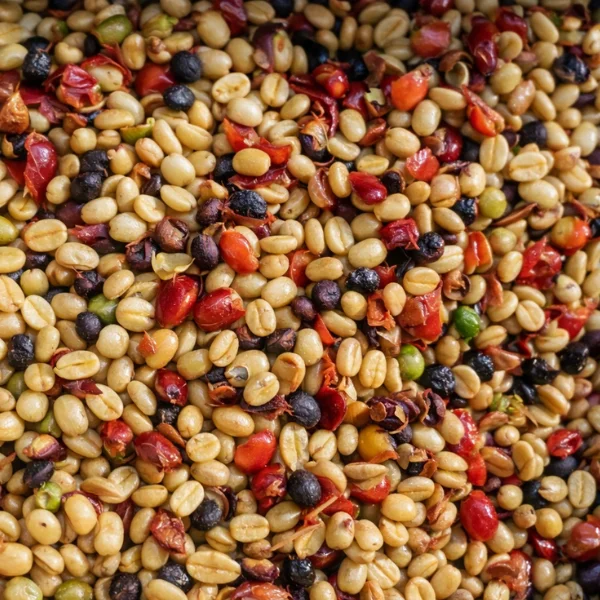
Designer Fermentation — How Microbes Are Changing the Way We Taste Coffee
Welcome to the microbial revolution — where fermentation isn’t just a step in coffee processing anymore… it’s the star of the show.
A few years ago, the word “fermentation” on a coffee bag might have raised eyebrows. Wasn’t that something for wine? Or maybe kombucha?
Fast forward to 2026, and fermentation is the hotbed of innovation in specialty coffee. But we’re not just talking about letting some cherries soak in tanks and hoping for magic. No — today, producers are designing flavor using precision fermentation and lab-grown microbes that transform green coffee into an aromatic playground.
Let’s break down what’s really happening — and why it’s changing the game from farm to café.
From Wild to Intentional: The Fermentation Shift
In the past, fermentation during coffee processing was like jazz in the countryside — a little wild, a little unpredictable. You’d pick the cherries, let them sit in tanks (washed), on patios (natural), or in controlled containers (honey or anaerobic), and hope that the local microbes — whatever lived on the farm — would do their thing.
Sometimes the results were stunning. Sometimes… not so much.
But in 2026, some of the world’s top producers — from Huila, Colombia to Guji, Ethiopia — are working with custom microbial strains to guide flavor development with precision. Think:
Lactobacillus for creamy acidity and round mouthfeel
Saccharomyces cerevisiae for boosting fruity esters
Even non-native yeasts, borrowed from winemaking or beer brewing, to craft juicy, floral, or spiced profiles
These aren’t guesses. These are targeted fermentation plans — with lab support, temperature control, oxygen monitoring, and timing down to the hour.
Why It Matters (And Why Your Pour-Over Tastes Like Pineapple)
Here’s where it gets exciting: these microbes don’t just change how the coffee is processed. They change how it tastes.
We’re talking:
- Red apple to green grape acidity
- Chocolate to tamarind
- Simple berry to sparkling strawberry kombucha
The fermentation can dial up aromatics you’d never get from traditional methods — without flavor additives, just microbial influence on the mucilage sugars.
The result? Coffees that taste like fruit salad, vanilla cream soda, or floral mead. Naturally. And consistently.
From Farm to Roastery to You
For roasters, this new wave of fermented coffees is both thrilling and challenging. They need to adjust their roast profiles to preserve the fragile esters and subtle acids created during fermentation. Too hot, too fast — and the magic is gone.
Baristas, meanwhile, are learning new ways to talk about flavor. “Cranberry,” “bergamot,” and “rosewater” are showing up on menus — and customers are loving it.
At the café level, these coffees invite new experiences: fermentation flights, origin stories, and education-forward service. More and more shops are featuring “fermentation-focused” days or limited releases to celebrate how a humble microbial decision can transform a cup.
The Big Picture
This isn’t just a fad. It’s the future of flavor development — and a powerful tool for producers to differentiate in an increasingly competitive global market.
In short: fermentation has graduated from background player to headline act.
So next time you taste something wild in your cup — something that makes you pause, smile, and wonder — it might just be the work of a few billion microbes and a very thoughtful farmer.
And that? That’s the future of coffee.