Article
How to Choose Coffee Beans for Espresso
A practical guide to choosing espresso coffee beans—covering roast level, Arabica vs Robusta ratios, low acidity options, grind compatibility, and crema stability for consistently great espresso at home or on automatic machines.
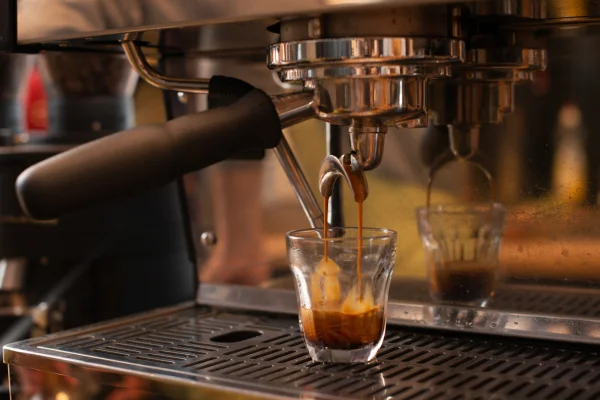
Espresso is not just about the machine — it is primarily about the beans. The pressure extraction method magnifies every structural detail of the blend, from roast calibration to Arabica–Robusta ratio.
If you are comparing different profiles or evaluating intensity levels, you can explore our full premium coffee beans range here:
https://batsam.lu/en/our-catalog/all-products/coffee-beans
Within this collection, each blend is designed for controlled extraction, crema stability, and consistent espresso performance.
Choosing the right coffee beans for espresso depends on five critical factors: roast level, blend composition, acidity balance, grind compatibility, and freshness.
Let’s break them down properly.
Roast Level and Espresso Extraction
Espresso requires pressure-based extraction (typically 9 bars). This intensifies both desirable and undesirable flavor compounds.
Because the brew time is short and concentrated, roast level strongly affects sweetness, bitterness, and how easily the coffee dissolves under pressure. Many espresso coffee beans are roasted to deliver reliable solubility, balanced flavor, and a texture that holds up in both straight shots and milk drinks.
Light Roast
• Higher acidity
• Brighter origin notes
• Can taste sour under pressure
• Less crema stability
Light roasts can highlight lively fruit and floral notes, but under 9 bars they often expose sharp acidity if your grind, temperature, and ratio are not dialed in precisely. If you frequently experience sour shots, the roast level may be the real cause, not only the grinder.
Medium Roast
• Balanced acidity
• Better body
• More reliable crema
• Suitable for automatic machines
Medium roast espresso beans are often the most versatile option for home and automatic machines. They typically deliver more sweetness and body than light roasts, while keeping bitterness controlled and crema stability more dependable. In the cup, expect profiles like chocolate, caramel, toasted nuts, and gentle fruit depending on the blend design.
Medium-Dark to Dark Roast
• Fuller body
• Lower perceived acidity
• Stronger bitterness
• Enhanced crema density
These roasts support heavier texture and a more classic espresso feel, with a longer finish and denser crema. The key is calibration: too dark can become smoky or dry, especially if your grind is too fine or the shot runs long.
For espresso, medium to medium-dark profiles generally offer better extraction stability.
They are usually the most forgiving across different grinders and machines, which is why many people searching for the best coffee beans for espresso end up here.
If you prefer bold espresso with thick crema and strong body,
Forza Coffee Beans are structured specifically for high-intensity extraction:
https://batsam.lu/en/our-catalog/all-products/coffee-beans/batsam-forza-coffee-beans
This blend emphasizes crema structure and caffeine density.
Forza is a strong fit when you want an espresso that tastes powerful on its own and still stays present in cappuccinos and lattes.
A steady stream and even crema formation usually indicate the roast level and grind are working together. When espresso extracts smoothly, the cup tends to show more sweetness, better body, and cleaner balance.

Arabica and Robusta Ratios
Blend composition directly impacts espresso performance.
The Arabica vs Robusta espresso decision is mainly about outcomes in the cup: aroma and complexity versus structure and crema. Espresso blends are engineered for pressure stability, mouthfeel, and repeatability—not just a label claim.
High Arabica Content
• More aroma
• Brighter acidity
• Smoother complexity
• Less crema thickness
High-Arabica blends can taste elegant and aromatic, with more nuanced sweetness and clearer origin character. The trade-off is often lighter texture and thinner crema, which can soften faster in milk drinks.
Balanced Arabica–Robusta Blend
• Stronger body
• Thicker crema
• Lower perceived acidity
• Greater pressure stability
Balanced blends typically produce a fuller-bodied shot with stronger crema stability and more consistent extraction across different machines. A controlled Robusta ratio can also make espresso more forgiving, especially on super-automatic systems where adjustment range is limited.
If you prefer a balanced daily espresso suitable for automatic systems,
Classico Coffee Beans offer integrated aroma and body performance:
https://batsam.lu/en/our-catalog/all-products/coffee-beans/batsam-classico-coffee-beans
Blends engineered for espresso are not about purity — they are about performance.
Classico is designed for dependable daily results, with a profile that works well as espresso and remains structured in milk.

Crema Comparison (Thin vs Thick) (espresso crema thickness comparison)
Crema thickness is influenced by roast level, blend ratio, and freshness. Thicker crema often signals stronger structural performance under pressure, while thinner crema can be normal for higher Arabica content.
Low Acidity vs High Body
One of the most common problems in home espresso is sour extraction. Often this is mistaken for poor grinding when in fact it is caused by high-acidity beans under pressure.
Espresso concentrates acidity, so a bright coffee can become sharp quickly if it under-extracts. If your goal is a smoother cup, focus on body and balance first, then fine-tune grind and ratio.
If you specifically search for low acidity espresso beans, you should look for:
• Medium to darker roast
• Controlled Robusta ratio
• Reduced brightness
• Stronger structural body
Technique still matters, but bean choice is the fastest fix. A slightly finer grind and a stable brew ratio can help, yet a blend built for lower perceived acidity usually makes the biggest difference.
For a smoother and more moderate espresso experience,
Leggero Coffee Beans are designed to reduce sharpness while maintaining crema balance:
https://batsam.lu/en/our-catalog/all-products/coffee-beans/batsam-leggero-coffee-beans
This makes them suitable for those who find traditional espresso too aggressive.
Leggero is ideal if you want less bite, a rounder finish, and an espresso that stays comfortable across multiple cups.
Intensity Level and Daily Drinkability
Not all espresso drinkers want maximum strength. Some prefer a refined and elegant cup suitable for multiple daily servings.
Intensity is shaped by roast depth, blend composition, and mouthfeel. The best match is the one that fits your routine: a stronger profile for shorter, punchier shots, or a softer profile for frequent daily drinking and longer enjoyment.
If your preference leans toward smoother finish with subtle bitterness and controlled intensity,
Delicato Coffee Beans provide a lighter espresso structure without sacrificing extraction stability:
https://batsam.lu/en/our-catalog/all-products/coffee-beans/batsam-delicato-coffee-beans
Choosing espresso beans is about aligning intensity with your drinking habits.
Delicato supports a more elegant espresso style that remains consistent on home machines and stays pleasant in milk-based drinks.
Grind Size and Machine Compatibility
Even the best coffee beans for espresso will underperform if grind size is incorrect.
Grind size controls resistance and extraction speed. Espresso is sensitive: small changes can shift the cup from sour to sweet, or from balanced to bitter. Expect to adjust your grinder when switching between roast levels or blend compositions.
Key points:
• Too coarse → sour and thin espresso
• Too fine → bitter and over-extracted
• Inconsistent grind → unstable crema
If your espresso runs too fast and tastes sharp, go slightly finer. If it chokes or tastes harsh and dry, go slightly coarser. Consistent dosing and tamping help you judge changes clearly.
Fresh beans maintain better oil integrity, improving crema formation and pressure response.
Freshness also supports aroma and sweetness, while stale beans tend to taste flat and produce weaker crema stability.
When buying coffee beans online, always consider freshness, roast date, and packaging format (250g vs 1kg) based on your consumption frequency.
Choosing the right size helps you keep beans closer to peak flavor, especially if you don’t drink espresso every day.

Grinder Adjustment Example (espresso grind size adjustment example)
Use grinder steps as controlled experiments: adjust one variable at a time and watch how flow and taste change. This approach is especially effective when dialing in medium roast espresso beans versus darker profiles.
250g vs 1kg – Which Format Is Better for Espresso?
250g Format
• Ideal for testing blend performance
• Allows comparison of crema and intensity
• Suitable for lower consumption
250g is best for exploring options, learning what your machine prefers, and comparing profiles without committing to a large bag. It also suits occasional espresso drinkers who want freshness throughout the bag.
1kg Format
• Better value per kilogram
• Suitable for daily espresso drinkers
• Stable for offices or households
1kg is ideal when you already know your preferred espresso profile and you consume it consistently. It’s a practical choice for households and offices where the coffee moves quickly enough to stay vibrant.
Selecting the right format improves consistency and cost efficiency.
Common Espresso Mistakes When Choosing Beans
1. Choosing light roast for high-pressure espresso without adjusting grind
2. Ignoring blend ratio and focusing only on "100% Arabica"
3. Buying stale beans
4. Using inconsistent grinder
5. Not adjusting grind after changing roast level
Proper bean selection prevents these issues.
Another frequent mistake is expecting one grinder setting to work across all coffees. Even similar-looking espresso coffee beans can extract differently, so small adjustments are normal and necessary for consistent results.
Which Coffee Beans Are Best for Espresso?
There is no single universal answer. The best espresso beans depend on:
• Desired intensity
• Acidity tolerance
• Crema expectations
• Machine type
• Daily consumption level
For super-automatic machines, prioritize stability: medium to medium-dark profiles and blends engineered for repeatable extraction. For semi-automatic machines, you can explore more widely, but the most consistent daily results still come from coffees designed for crema stability and balanced structure.
If you want thicker crema and stronger body, look for blends built for pressure performance. If you prefer a smoother cup, prioritize low acidity espresso beans with controlled intensity.
If you want to compare blend ratios, roast levels, and packaging options, you can review our complete coffee beans collection here:
https://batsam.lu/en/our-catalog/all-products/coffee-beans
This allows you to evaluate structure before selecting your preferred profile.
FAQ Section
What roast level is best for espresso?
Medium to medium-dark roast generally provides better body and crema stability under pressure extraction.
Are 100% Arabica beans good for espresso?
They can be, but balanced blends often provide better crema and structural performance.
What are low acidity espresso beans?
These are blends with controlled brightness and moderate roast levels designed to reduce sour extraction.
Is Robusta necessary for espresso?
Not mandatory, but it improves crema density and extraction stability.