Article
The History of Cold Brew
Cold brew coffee may feel modern, but its roots go back to 17th-century Kyoto, where slow-drip “Dutch coffee” used cold water over many hours for a smooth, low-acid cup. Variations of chilled coffee appeared globally, but cold brew truly took off in the U.S. in the early 2000s, helped by brands like Stumptown and later innovations like nitro. Today it’s everywhere—from glass-tower slow drip to ready-to-drink bottles—still defined by patience and clarity.
The History of Cold Brew: From Kyoto to the Modern Café
Cold brew coffee, often seen as a recent innovation, carries a quiet legacy stretching back centuries. While it surged in popularity only in the 21st century, its origins reveal a much older and more intricate story.
Kyoto’s Slow-Drip Beginnings
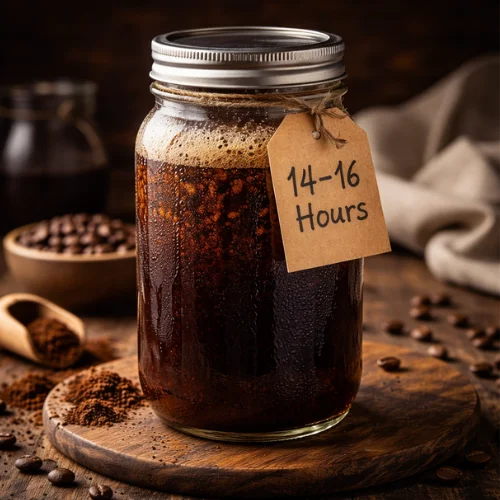
The earliest known method of cold coffee extraction dates back to 17th-century Japan, particularly in Kyoto. Known as Kyoto-style cold brew or Dutch coffee, this method involved dripping cold water slowly—sometimes over 10 to 12 hours—through ground coffee. The resulting brew was smooth, low in acidity, and aesthetically prepared in tall glass towers.
The “Dutch” name likely stems from 1600s Dutch traders, who brewed coffee with cold water to preserve it aboard long sea voyages. When the method reached Japan, it was refined into a craft: elegant, deliberate, almost meditative.
Global Echoes
Cold coffee took other forms around the world, though most early versions were hot-brewed and then chilled. In 19th-century Algeria, Mazagran—a cold coffee drink served with water and sugar—became popular among French troops. In Europe, iced coffee emerged in cities like Vienna and Paris, but these drinks weren’t brewed cold.
Cold Brew’s Rise in America
In the U.S., cold brew remained under the radar until the early 2000s. It was Stumptown Coffee Roasters in Portland that helped spark the modern boom, bottling and selling cold brew around 2010. Its smooth body, low bitterness, and high caffeine content quickly won over third-wave coffee drinkers.
Cold brew became a canvas for innovation: from single-origin extractions to nitro cold brew—infused with nitrogen for a creamy, cascading texture on tap.
A Global Beverage
Today, cold brew is a mainstay in cafés and supermarkets alike. From ready-to-drink cans to high-end slow-drip towers, it continues to evolve—yet its soul remains unchanged. It’s still about time, clarity, and patience.
In a fast-paced world, cold brew offers something different: a coffee not rushed, but waited for.