Article
BATSAM™ Library | Newsletter — Coffee Blends 101: What a Coffee Blend Really Means
Learn what coffee blends are, why roasters use them, and how Arabica vs. Robusta ratios affect crema, body, flavor, and brewing styles.
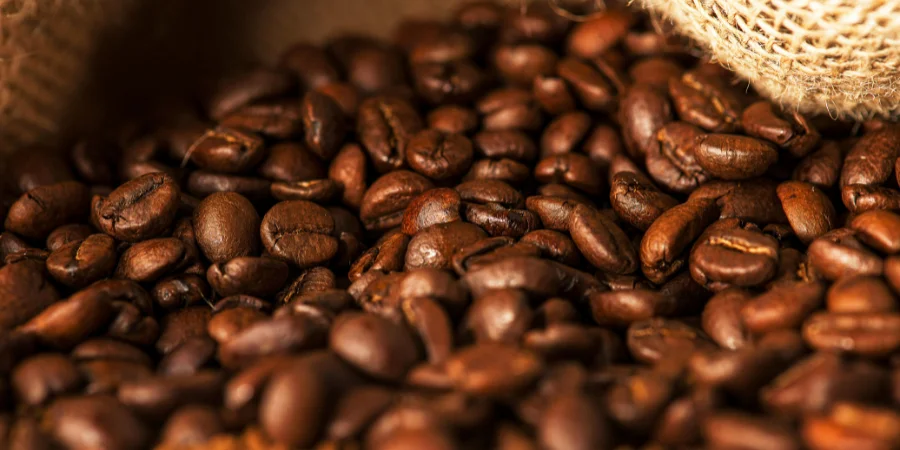
Coffee Blends 101: What a Coffee Blend Really Means
A coffee blend is a roaster’s recipe: two or more coffees combined to create a cup with a specific personality — balanced, repeatable, and designed to perform in the real world. Single-origin coffees can be beautiful snapshots of one place and one harvest, but blends are built for everyday drinking: your morning espresso, your cappuccino after lunch, your moka pot on a Sunday, your reliable “this always tastes good” bag.
Here’s what blends really are, how they’re built, and why the Arabica/Robusta ratio matters.
What “blend” actually means
A blend isn’t random. A good roaster is balancing several targets at once:
- Flavor balance (sweetness, acidity, bitterness, aroma)
- Texture (body, crema, mouthfeel)
- Performance (espresso vs. filter, with or without milk)
- Consistency (keeping a familiar taste across seasons)
So when you buy a blend, you’re buying a designed outcome.
Why blends exist (the three big reasons)
1) Consistency across harvests
Coffee is agriculture. Weather, harvest timing, and processing can shift flavor year to year. A blend gives the roaster room to keep the same house profile by adjusting components gently without changing the identity of the coffee.
2) A purpose-built cup
Espresso concentrates everything into a tiny volume. Milk softens and sweetens, but it can mute delicate notes. Filter brewing rewards clarity and nuance. Blends let roasters tailor a coffee to the method — this is why many classic espresso coffees are blends rather than single origins.
3) A “complete” flavor
One coffee might be aromatic and bright but light in body. Another might be syrupy and cocoa-forward but less expressive. Blending can combine these strengths so the final cup feels sweet, structured, and satisfying from first sip to finish.
The blend-building toolkit (what roasters combine)
Roasters can blend across several dimensions:
Origins
Different origins often play different roles: one component might contribute chocolate and caramel depth, while another adds lift (fruit, florals, brightness).
Processing
Washed coffees often taste cleaner and brighter; natural or honey-processed coffees can bring heavier sweetness and fruit complexity. Used carefully, processing choices act like seasoning: they can add interest without taking over.
Roast development
Roast approach decides what gets emphasized. Lighter roasts preserve acidity and fragrance; darker roasts lean into chocolate, toast, spice, and roast sweetness. Many espresso blends aim for a “sweet spot” where the cup is bold but not ashy, smooth but not flat.
Arabica vs. Robusta: why the percentage changes your cup
People talk about Arabica and Robusta like “good vs. bad,” but the useful truth is that they bring different tools.
Arabica tends to contribute:
- More aromatic range and complexity (floral, fruity, cocoa-like)
- A sense of elegance and layering
- Acidity that can feel lively in filter and long coffees
Robusta tends to contribute:
- More body and heavier mouthfeel
- Thicker crema in espresso
- A punchier, more intense profile (often with more bitterness)
- Typically higher caffeine than Arabica
That’s why the ratio matters. More Arabica often means more aroma and sparkle. More Robusta often means more crema, more weight, and more “presence” in milk drinks. Neither is automatically better — the best ratio is the one that suits how you drink coffee.
Two ways blends are made: pre-blend vs. post-blend
Roasters generally blend in one of two ways:
Pre-roast blending
Different green coffees are mixed before roasting together. When it works, it creates a very integrated profile. The challenge is that coffees roast at different speeds depending on density and moisture.
Post-roast blending
Each component is roasted separately, then blended after roasting. This gives more control: you can roast one coffee for sweetness and another for structure, then combine them precisely. It’s common in higher-end espresso blending for that reason.
Espresso blends vs. filter blends (why they taste different)
Espresso-focused blends usually aim for:
- Syrupy body and crema
- Sweetness that survives milk
- A smooth finish, often with lower perceived acidity
Filter-focused blends usually aim for:
- Clarity and fragrance
- Clean, articulate acidity
- A long, elegant aftertaste (even with a lighter body)
If someone says “I want a strong coffee,” they usually mean body and intensity (often an espresso-style blend). If they say “I want a bright coffee,” they usually mean aromatics and acidity (often higher Arabica content or filter-oriented profiles).
Why blends are often easier to brew at home
Home conditions vary: grinder quality, water minerals, machine temperature stability, and bean freshness. A well-designed blend can be more forgiving because it’s built with extraction stability in mind. That means it can taste good across a slightly wider range of grind sizes and shot times — less fuss, more consistency.
A few myths worth clearing up
- “Blends are lower quality.” Not true — some of the world’s best espresso programs are blend-driven. The craft is in the recipe.
- “Blends are always dark.” Many espresso blends are medium to dark, but blends can be lighter too — especially for filter.
- “Robusta is always harsh.” Poor Robusta can be rough, but good Robusta can be clean, creamy, and extremely useful for crema and structure.
How to choose the right blend (customer-first)
Three questions usually solve it:
- What do you drink most: espresso, milk drinks, moka pot, or filter?
- Do you prefer bold/low-acid, or bright/lively?
- Do you like classic notes (chocolate/toast/caramel) or more aromatic complexity?
Quick brewing tweaks to make any blend taste better
- Store beans airtight, cool, and away from sunlight.
- Espresso tasting harsh or too bitter? Grind a touch coarser or shorten the shot.
- Long coffee tasting thin? Grind slightly finer or increase dose.
- Milk drinks tasting “lost”? Brew a slightly stronger base (a touch finer or a slightly higher dose).
The takeaway
Blends are not a compromise — they’re a craft. A great blend is a deliberate design that prioritizes consistency, balance, and performance in the cups people actually drink. Once you start choosing beans by brew style — espresso, milk, moka, or filter — blends become simpler, and a lot more satisfying.