
Back to Top
January 05, 2026
Cappuccino Origins
The cappuccino, that delicate balance of espresso, steamed milk, and foam, carries a name older than the machine that made it possible. Its origins stretch back to 18th-century Vienna, but its modern form wasn’t born until the 20th century in Italy — a story of both language and invention.
The History of the Cappuccino: From Monks to Machines
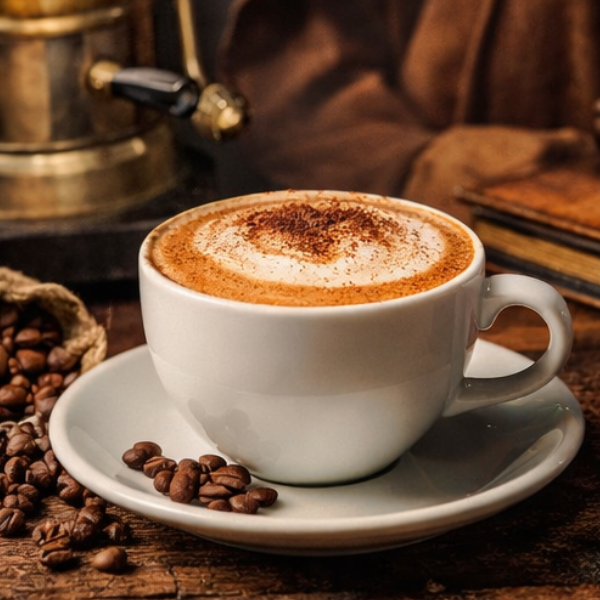
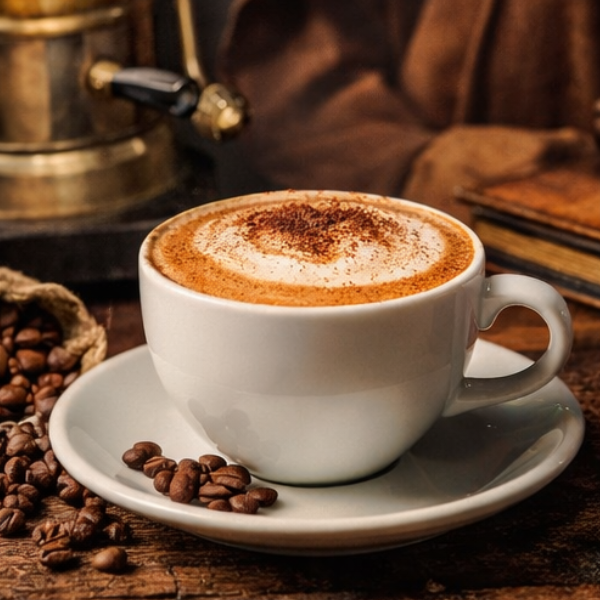
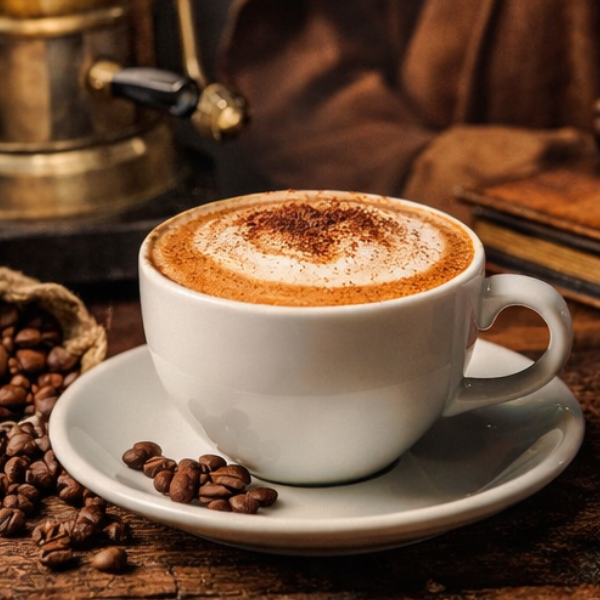
The word cappuccino comes from the Capuchin monks, whose brown hooded robes resembled the golden-brown hue of coffee mixed with milk. In Vienna, during the time of the Ottoman siege in the late 1600s, a popular drink called Kapuziner emerged — coffee with cream and sugar, often spiced and served with milk foam. This Austrian beverage likely inspired the Italians, who later gave their version the same name, adapted to Italian as cappuccino.
(Source: Illy, Andrea. Espresso Coffee: The Science of Quality, 2nd ed., Elsevier, 2005, pp. 4–6)
The Role of Espresso in Modern Cappuccino
However, the cappuccino as we know it — a single espresso shot topped with a specific texture of steamed milk foam— only became possible after the invention of the espresso machine in the early 1900s, particularly with improvements by Achille Gaggia in 1947, who introduced high-pressure extraction.
By the 1950s, cappuccinos had become part of Italian café culture: a morning ritual served in porcelain cups with thick foam to retain heat. From there, its popularity spread globally, especially during the specialty coffee movement of the late 20th century.
So while the name is old, the true cappuccino is a child of steam, pressure, and Italian elegance — a drink shaped as much by engineering as by tradition.