

Back to Top
-
 2026-01-06Categories: Coffee historyTags: #specialtycoffee , #slowcoffee , #richcoffee , #nobaristaneeded , #manualbrew , #immersionbrewing , #homebrewing , #freshcoffee , #frenchpress , #filterlesscoffee , #coffeetime , #coffeeritual , #coffeelover , #coffeehistory , #coffeegear , #coffeeeducation , #coffeebrewing , #coffeeblog , #coffeeathome , #brewingmethods
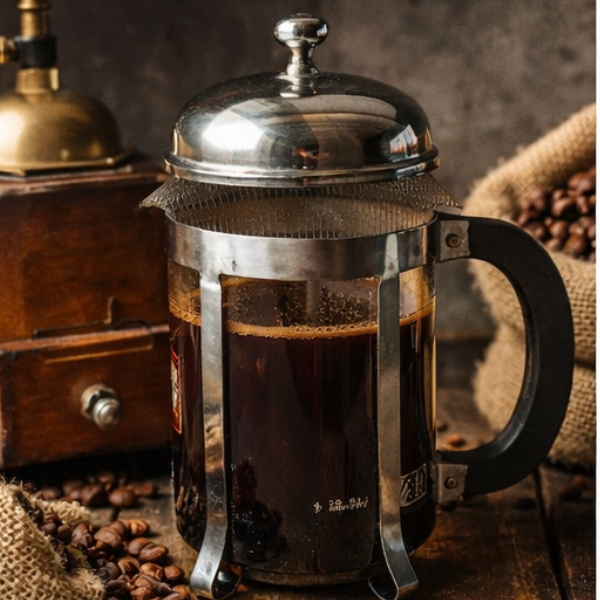
The French press may sound unmistakably French, but its story starts in Italy. First patented in Milan in 1929, it introduced a simple full-immersion method: steep coffee in hot water, then press a metal filter to separate the grounds. Later refined and popularized in France in the 1950s, it earned its iconic name and spread worldwide. Loved for its rich, full-bodied cup and its slow, hands-on ritual, the French press remains a timeless way to brew.
-
 2026-01-05Categories: Coffee historyTags: #viennacoffee , #thirdwavecoffee , #specialtycoffee , #morningritual , #milkfoam , #latteart , #italiancoffee , #espressoculture , #espresso , #coffeetime , #coffeestory , #coffeelover , #coffeeknowledge , #coffeehistory , #coffeeeducation , #coffeeblog , #capuchinmonks , #cappuccino , #cafeculture , #baristalife
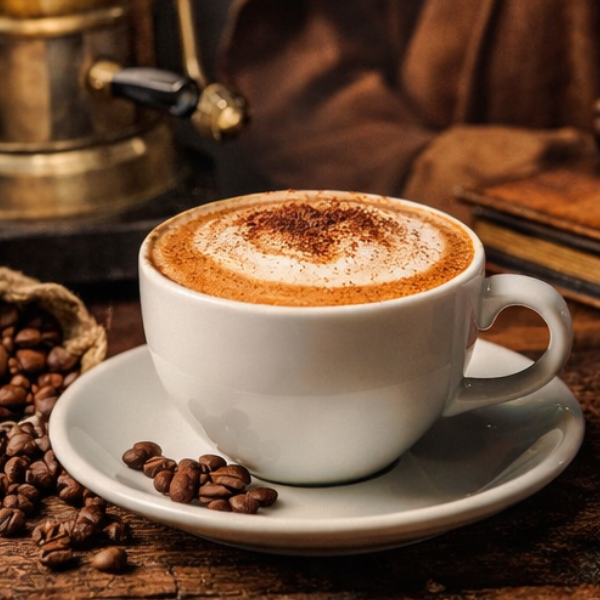
The cappuccino’s name is older than the machine that made it famous. It comes from the Capuchin monks, whose brown robes matched the warm, tan color of coffee mixed with milk. In 18th-century Vienna, a drink called Kapuziner—coffee with cream, sugar, and sometimes foam—helped inspire what would later become the Italian cappuccino.
